
The Wild West of Remote Hiring
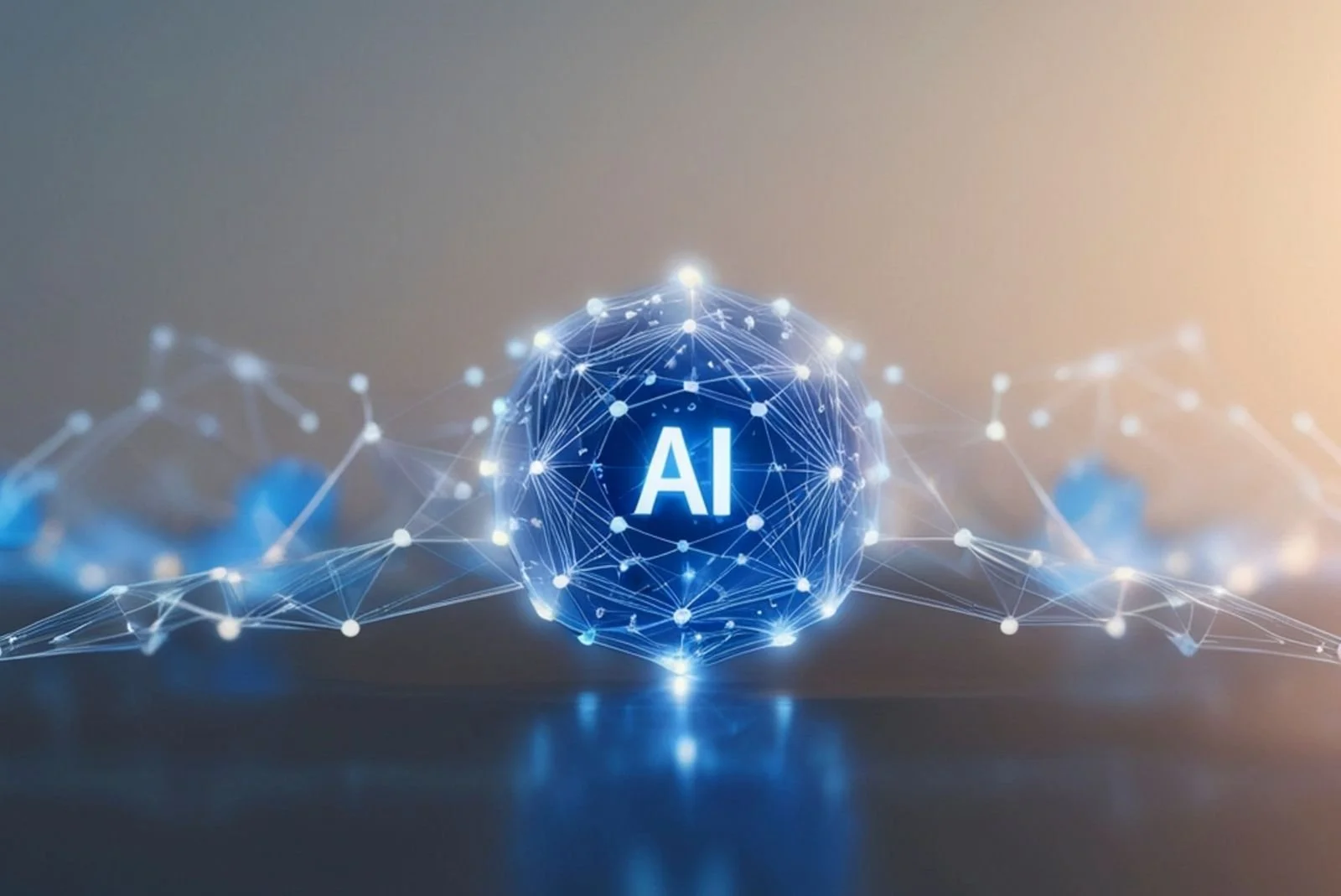
When AI Creates Fake Candidates
Read the full article to explore why human-centered executive search matters more than ever in an AI-driven world.
Remote work opened up incredible opportunities across Africa – connecting our talent with global companies and breaking down geographical barriers. But it also created a problem none of us saw coming. AI-generated candidates have infiltrated hiring processes worldwide, with nearly 1 in 5 hiring managers globally reporting encounters with "deep-fake candidates."
Yes, you read that right. We're talking about people using AI to fake their way through interviews, steal salaries, and even access company data. With Africa's growing reputation as a tech hub, our region is both benefiting from remote opportunities and becoming a target for these sophisticated scams. Job fraud losses have tripled globally since 2020, hitting over $220 million in just the first half of last year.
“AI-generated candidates are now infiltrating hiring processes worldwide, with nearly 1 in 5 hiring managers globally reporting encounters with “deep-fake candidates.” ”
How are they pulling this off?
It's surprisingly sophisticated:
AI-generated resumes that hit every keyword perfectly
Voice cloning and face-swap technology for video interviews
Stolen identity documents that fool automated checks
Once hired, they harvest credentials and steal intellectual property
The scary part? Traditional hiring processes weren't built for this level of deception.
What's not working anymore
The standard safeguards we all rely on are struggling:
Keyword-matching systems can't tell the difference between real experience and AI-generated perfection
One-way video screening is useless against face-swap apps
Standard ID verification falls for sophisticated forgeries
Reference checks get fooled by spoofed phone numbers and synthetic voices
So what can we actually do?
Here are some practical steps that actually work:
During interviews:
Hold final rounds in person when possible
Include real-time skills demonstrations (ask that developer to actually code while you watch)
Separate audio and video feeds to catch lip-sync delays
Use unscripted micro-tasks that can't be pre-recorded
For verification:
Partner with biometric ID providers
Add manual review layers
Use voice-print comparisons between interview rounds
Require multi-factor authentication tied to location
After hiring:
Monitor for unusual login patterns
Track location consistency in the first 90 days
“Companies that have had bad experiences with fake candidates might become hesitant to hire from our region, which would be devastating for legitimate professionals. ”
What this means for us
For African professionals: Be prepared for more rigorous verification processes. Don't take it personally – it's about protecting everyone's opportunities.
For companies hiring in Africa: Partner with local recruitment experts who understand both the opportunities and the risks. The future of work is global, but the solutions need to be locally informed.
For recruitment professionals: This is our moment to add real value. The companies that figure out secure, authentic hiring practices will have a massive advantage in accessing Africa's incredible talent pool.
As someone working in Africa's talent ecosystem, I'm curious:
Have you encountered anything suspicious in your hiring process?
How are African companies and professionals adapting to these challenges?
What safeguards are you seeing work best for remote hiring in our region?
If you’re building remote teams across the continent and want a hiring process that is both secure and human-centered, we’d welcome the chance to talk in person. Get in touch here
About the Author
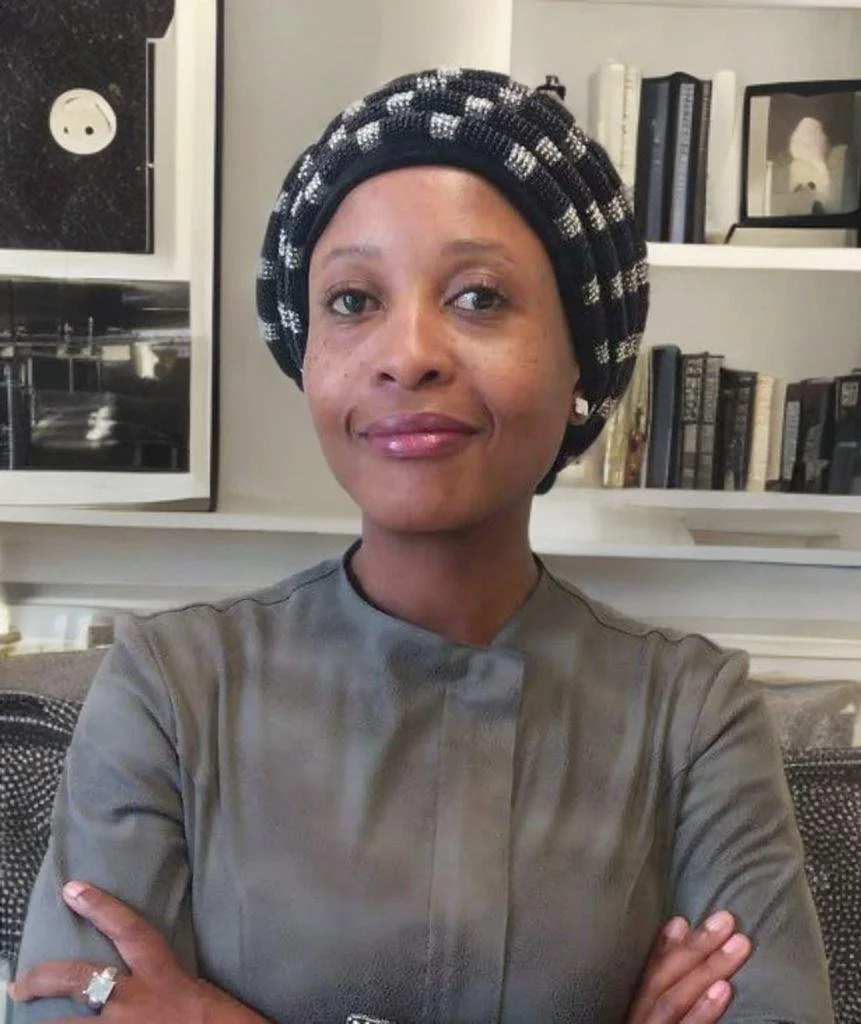
Mulalo (Lali) Tshikalange is an Executive Search Partner and Career Transition Coach with over 19 years of experience in executive search, talent mapping and recruiting across Africa. Specialising in helping organisations hire exceptional leaders while supporting individuals through successful career transitions.
Read more from this topic
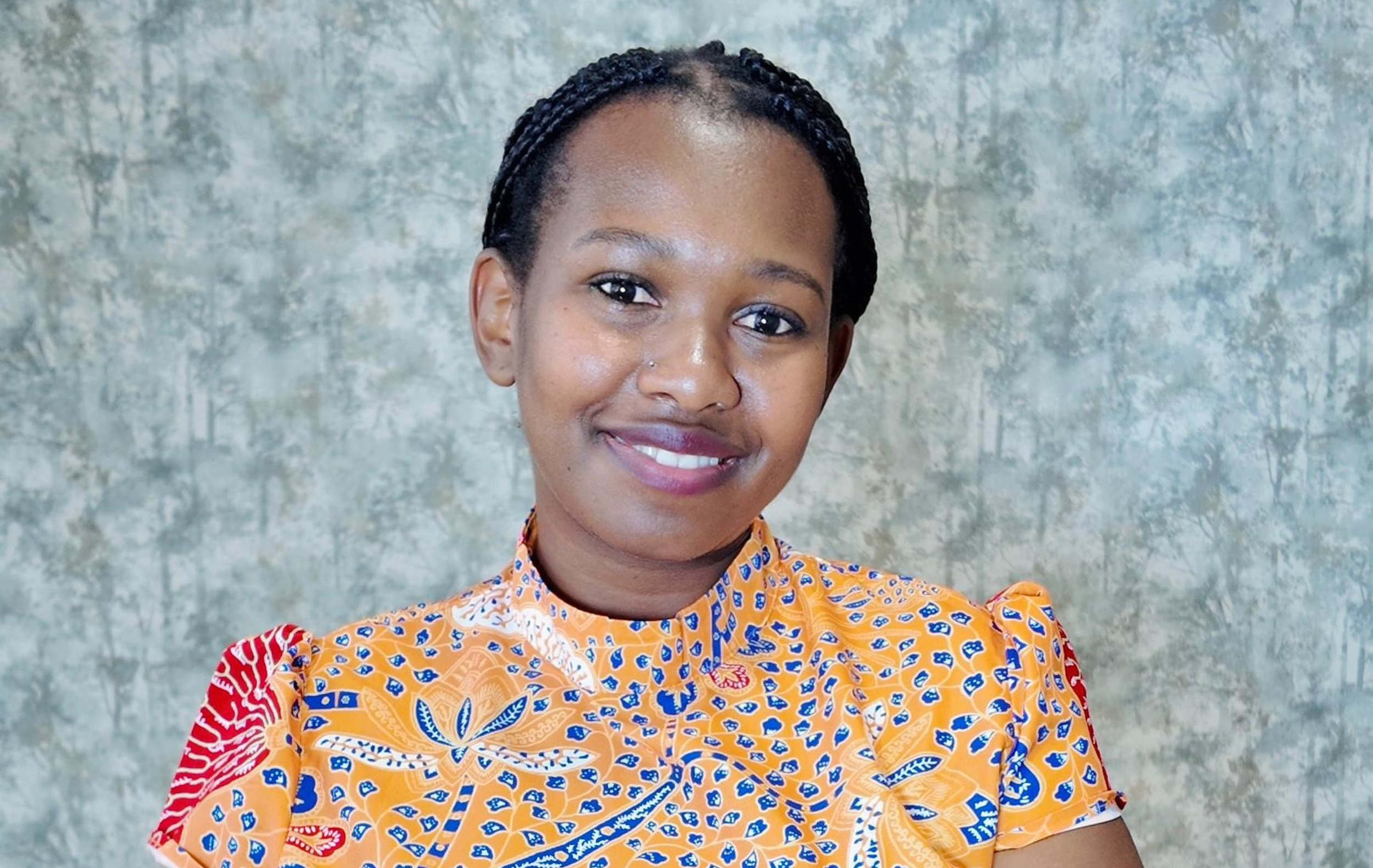



Mulalo Tshikalange explores why human judgement still matters in an increasingly AI-driven hiring landscape.